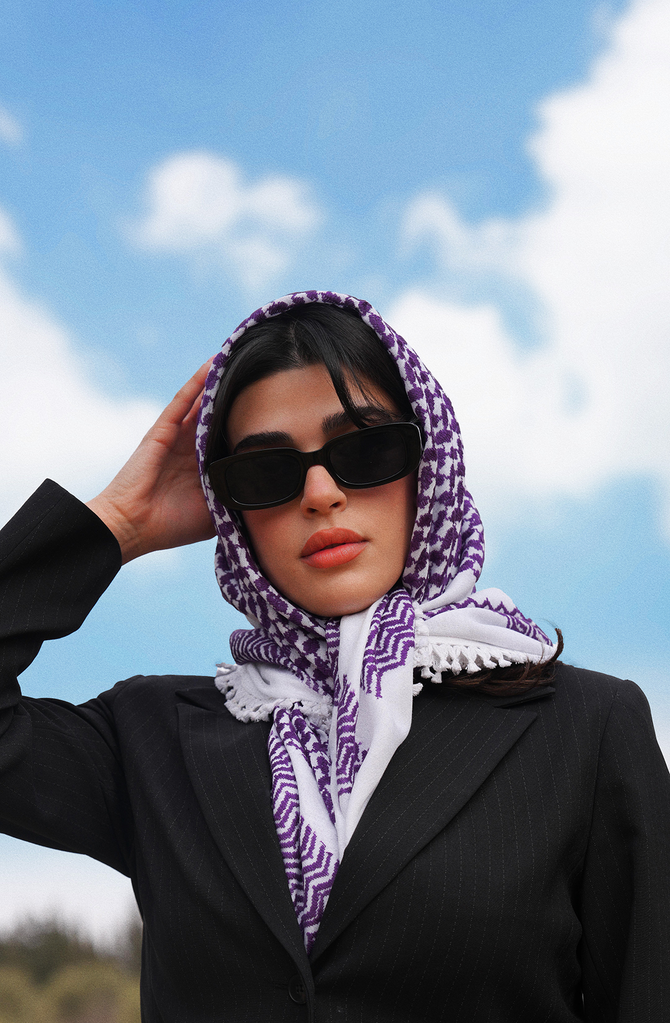


Tatreez is more than decoration. It is a living art form passed down through generations. Known as traditional palestinian embroidery, Tatreez tells stories through thread, color, and pattern. Each stitch carries meaning, and each motif connects the maker to history, place, and identity.
Today, Tatreez continues to inspire people around the world. It appears on clothing, home décor, and accessories, yet its roots remain deeply tied to Palestinian culture. From ceremonial dresses to modern pieces like a palestinian bag or even tatreez coasters, this art form still carries beauty and purpose.
What Is Tatreez?

Tatreez is the traditional embroidery of Palestine. It is usually hand-stitched on fabric using geometric motifs, floral forms, and symbolic shapes. For centuries, women used Tatreez to decorate garments, especially dresses, shawls, and household textiles.
However, Tatreez is not only about design. It also acts as a visual language. Different patterns, colors, and stitch layouts can reflect region, family heritage, social life, and even personal memory. Because of this, Tatreez holds both artistic and cultural value.
Why Tatreez Matters in Palestinian Culture

Tatreez holds a special place in Palestinian life because it preserves memory in a visible form. Long before digital records and printed archives, embroidery helped protect identity. It passed knowledge from one generation to the next in a quiet but powerful way.
Moreover, Tatreez has long been linked to pride, belonging, and continuity. Even when styles changed, palestinian embroidery remained a way to hold onto tradition. That is why many people see Tatreez as more than craft. They see it as heritage made by hand.
The Meaning Behind Tatreez Patterns
Symbols Woven into Everyday Life
Many tatreez patterns are inspired by the natural world and daily life. You may find shapes linked to olive branches, flowers, stars, cypress trees, birds, or village landscapes. These are not random decorations. Instead, they often reflect local life, community values, and the beauty of the land.
Regional Identity in Stitch Form
Different regions developed their own embroidery styles. As a result, one dress could reveal where a woman came from based on the colors and motifs used. This gave Tatreez a strong regional identity. In many ways, the embroidery became a map of memory and place.
Color and Composition
Color also matters. Red has long been common in Palestinian embroidery, but other shades appear depending on the region and period. The way patterns are arranged can change the overall meaning and feeling of a piece. Therefore, Tatreez is both expressive and precise.
From Traditional Dress to Modern Design
Tatreez began on garments, especially embroidered dresses, but it has grown far beyond that. Today, people still value traditional pieces, yet they also enjoy seeing Tatreez on modern items.
For example, Tatreez now appears on:
- scarves and accessories
- decorative textiles
- tatreez coasters
- handcrafted gifts
- a modern palestinian bag
This shift helps Tatreez stay present in everyday life. At the same time, it introduces new audiences to Palestinian craft in a meaningful way.
Tatreez in Fashion and Everyday Objects

Tatreez works beautifully in both fashion and home décor because it adds depth and story. A stitched design can turn a simple object into something personal and cultural.
For instance, a palestinian bag with embroidered details offers more than function. It carries artistry and identity. Likewise, tatreez coasters bring the warmth of traditional design into the home in a subtle, practical way.
Because of this flexibility, Tatreez continues to evolve without losing its roots.
The Difference Between Handmade Tradition and Mass Production
Authentic Tatreez takes time, patience, and skill. Handmade work carries small variations that make each piece unique. Those details are part of its charm.
Mass-produced designs may copy the look, but they often miss the cultural depth of real palestinian embroidery. That is why authenticity matters. Supporting thoughtfully made Tatreez helps preserve traditional knowledge and honors the hands behind the work.
Why Tatreez Still Inspires People Today
Tatreez remains relevant because it blends beauty with meaning. It speaks to people who value craftsmanship, story, and cultural memory. Even in modern settings, traditional embroidery feels timeless.
Whether seen on clothing, textiles, or smaller items, Tatreez continues to connect past and present. That lasting connection is what gives it power.

Frequently Asked Questions
What is Tatreez?
Tatreez is traditional Palestinian hand embroidery known for its symbolic motifs, geometric forms, and cultural meaning.
What do tatreez patterns represent?
Many tatreez patterns reflect nature, village life, memory, and regional identity. Their meanings can vary by place and tradition.
Is Tatreez the same as Palestinian embroidery?
Yes. Tatreez is the name commonly used for traditional palestinian embroidery.
Where is Tatreez usually found today?
Today, Tatreez appears on clothing, textiles, accessories, tatreez coasters, and items like a palestinian bag.
Why is handmade Tatreez important?
Handmade Tatreez preserves traditional skill, cultural memory, and craftsmanship that mass-produced versions often lose.
Can Tatreez be part of modern fashion?
Yes. Tatreez works beautifully in modern design while still honoring its cultural roots.


