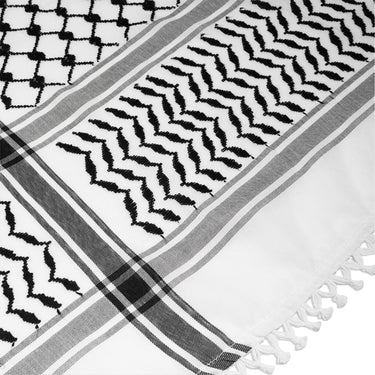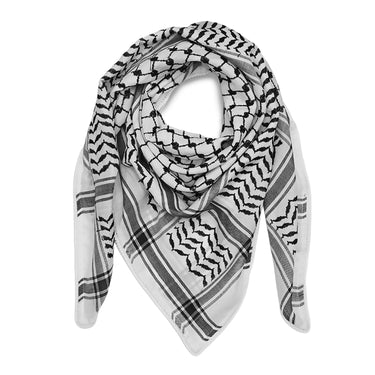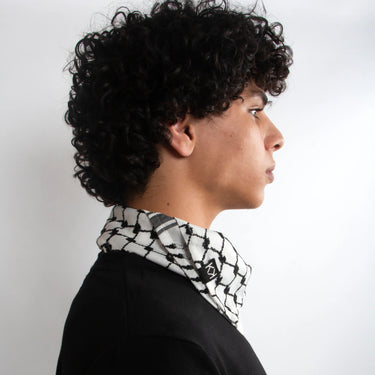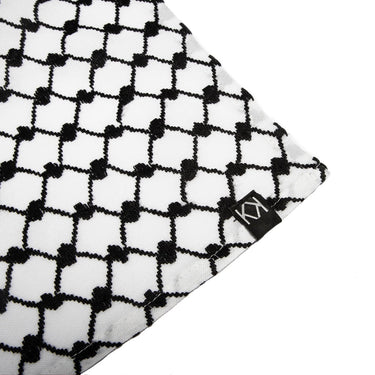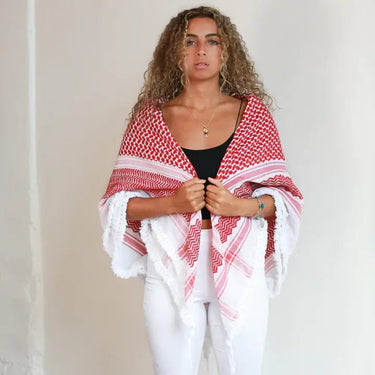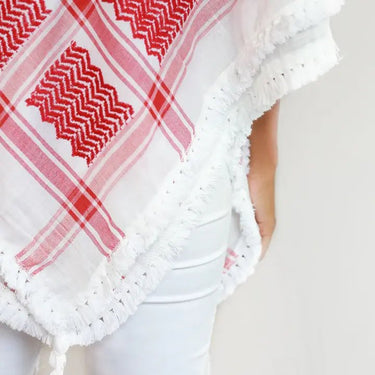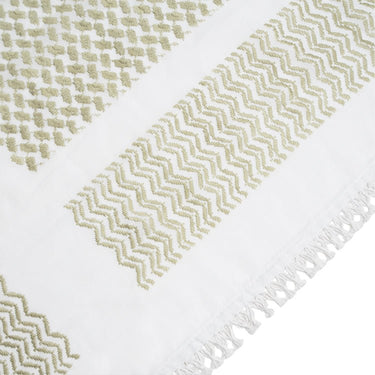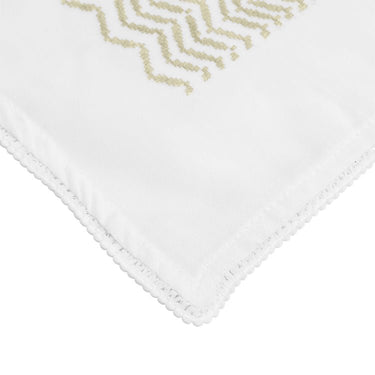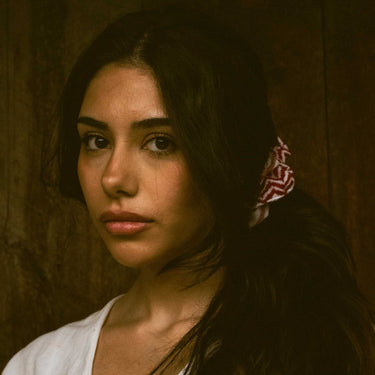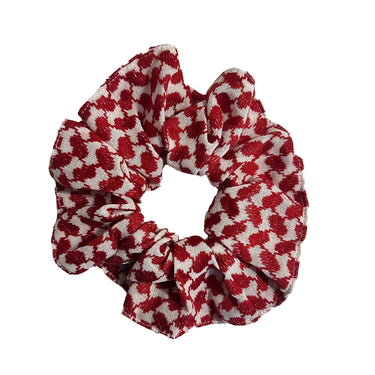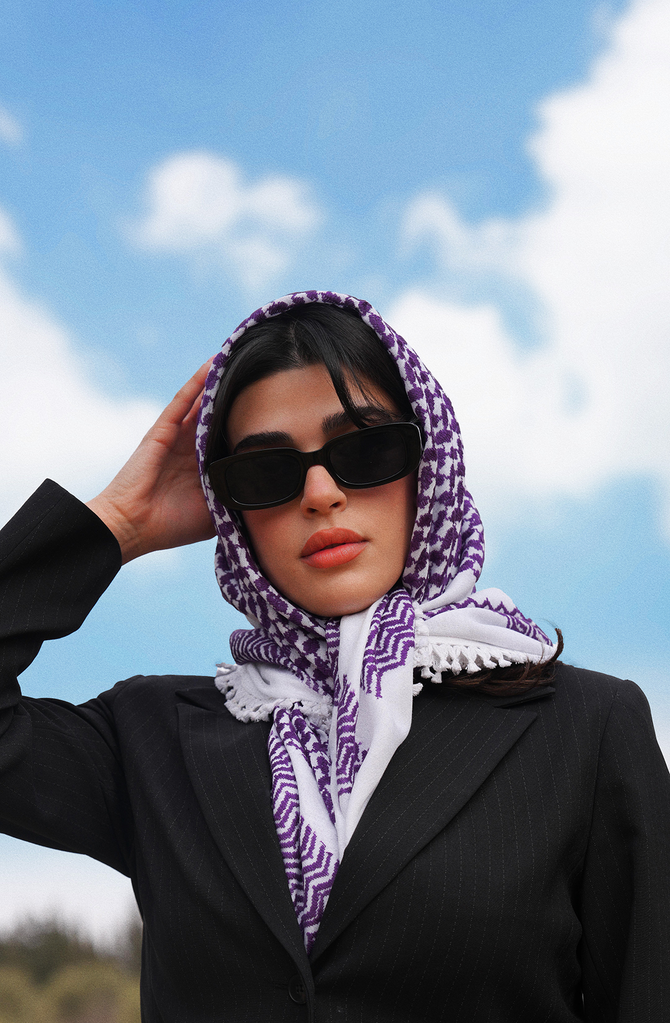


The kufiya, also called the keffiyeh or shemagh, is more than a traditional scarf. It carries history, identity, and pride. Across Palestine and the Arab world, people wear it with purpose. Over time, it has become a strong cultural and political symbol.
Today, many people recognize the keffiyeh as a Palestine scarf. However, its story goes far beyond appearance. To understand the keffiyeh, we must first understand where it comes from and why it matters.
What Is a Kufiya?

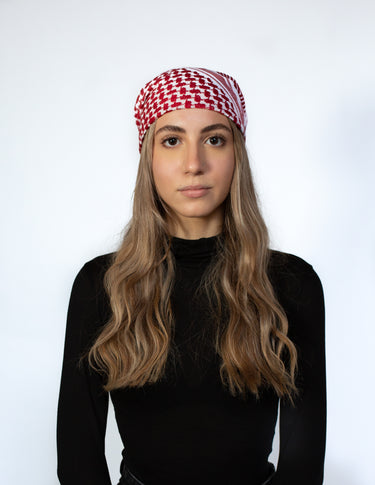
A keffiyeh is a square or rectangular scarf, usually made from woven cotton. People wear it on the head or around the neck. Often, they secure it with an agal, a black cord that rests on top of the head.
Originally, people used the keffiyeh for protection. It shielded them from sun, wind, and sand. Later, it gained deeper meaning. As a result, the kufiya came to represent dignity, heritage, and resistance.
Why the keffiyeh Has Different Names
As the kufiya spread across regions, people gave it different names. Each name reflects local culture and tradition. Still, the meaning remains closely connected.
Below are the most common regional names and styles.
Palestine: The Kufiya or Keffiyeh

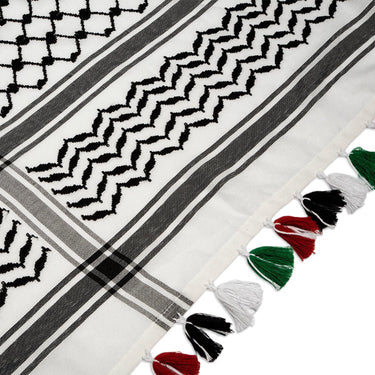
In Palestine, the black-and-white keffiyeh holds powerful meaning. People wear it as a sign of identity and resistance. Its pattern often symbolizes connection to land and roots.
Because of this history, the Palestinian keffiyeh became known worldwide. Many people now wear it to show solidarity with the Palestinian cause. In this way, the keffiyeh connects personal expression with collective memory.
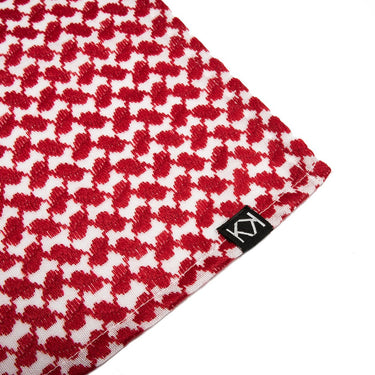
Jordan: The Red and White Shemagh keffiyeh

In Jordan, people commonly wear a red-and-white shemagh kufiya. This version has strong ties to Bedouin culture and national heritage.
At the same time, the shemagh remains practical. It protects the wearer in desert conditions. For this reason, interest in how to tie a shemagh has grown, especially among younger generations around the world.
Syria and Lebanon: The Hatta

In Syria and Lebanon, people often call the kufiya the hatta. While its shape stays the same, colors may vary. Some include blue or green instead of the usual black or red.
These differences often reflect family or regional identity. As a result, the hatta becomes a quiet personal statement.
Saudi Arabia: The Ghutra

In Saudi Arabia, the keffiyeh is known as the ghutra. Most ghutras are white, though red-and-white versions also appear.
People wear the ghutra both casually and formally. It often appears during religious and ceremonial events. Because of this, the ghutra signals respect, tradition, and social presence.
Iraq: The Yashmagh

In Iraq, people use the term yashmagh. Its patterns resemble the ghutra, with black or red checks.
The yashmagh carries tribal meaning. In some cases, people gift it as a sign of honour. These gestures show how deeply rooted the keffiyeh remains in social tradition.
Oman: The Mussar

Oman’s mussar stands out because of its color and detail. It is thicker and often woven with wool blends. Floral and paisley patterns are common.
Many describe the mussar as a symbol of national pride. In this sense, it reflects both beauty and cultural identity.
Scarves Similar to the keffiyeh Around the World
Other cultures wear scarves with similar purposes:
- Iran: The chafiyeh, often darker in color
- South Asia: Dupattas and shawls for modesty and protection
- North Africa: Tagelmust and litham among Tuareg communities
- Western cultures: Bandanas and cotton scarves
However, while these garments share function, they do not carry the same layered meaning as the kufiya.
Fabric, Weaving, and Authenticity
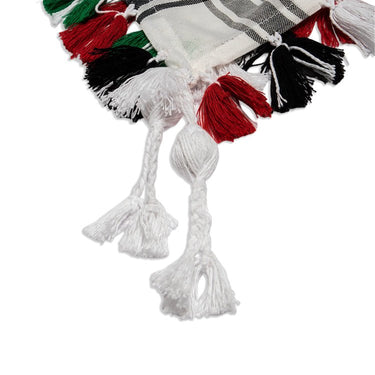
Traditional keffiyeh are woven, not printed. Weaving gives the scarf strength and breathability. It also preserves its character.
Printed scarves fade quickly. More importantly, they lose connection to tradition. For this reason, supporting woven kufiyas—especially those made by Palestinian artisans—matters.
The Cultural Legacy of the keffiyeh
The keffiyeh is not just fabric. It carries memory and meaning. Across regions, styles may change. Still, the core message remains the same.
When people wear the keffiyeh and shemagh, they carry stories with them. In doing so, they help keep cultural history alive.
Frequently Asked Questions (FAQs)
What is the difference between a kufiya and a keffiyeh?
A kufiya and a keffiyeh are essentially the same garment. The word kufiya refers to its original name, while keffiyeh is commonly used in Palestine and internationally. Both describe the traditional scarf worn for protection and cultural expression.
Is a shemagh different from a keffiyeh?
Yes, there are slight differences. A shemagh is often thicker and more structured, while a keffiyeh is usually lighter and worn daily. However, both belong to the wider family of kufiya scarves.
Why is the Palestinian keffiyeh black and white?
The black-and-white pattern has become closely linked to Palestinian identity. Over time, it came to symbolize resistance, unity, and connection to the land, making it one of the most recognized versions of the Palestine scarf.
What does the keffiyeh symbolize today?
Today, the keffiyeh represents solidarity, cultural pride, and resilience. Many people wear it to show support for Palestinian rights while honoring its historical meaning.
How do you tie a shemagh or kufiya properly?
There is no single correct way. People tie a shemagh or kufiya based on weather, purpose, or tradition. Some styles offer face protection, while others focus on comfort or appearance.
Is it respectful for non-Palestinians to wear a keffiyeh?
Yes, when worn with understanding and respect. Learning about its history and symbolism is key. Wearing the keffiyeh thoughtfully helps preserve its cultural meaning rather than diminish it.