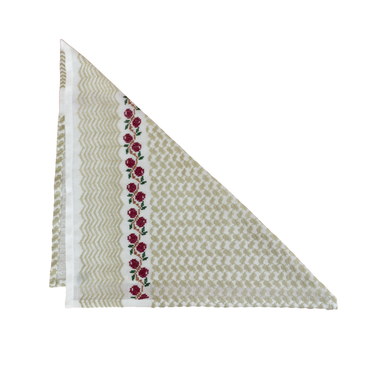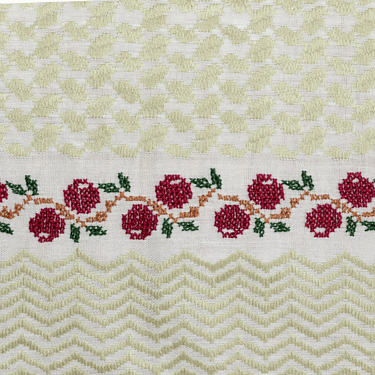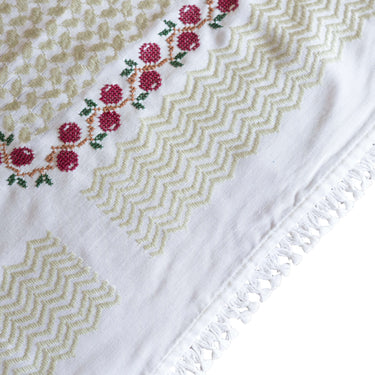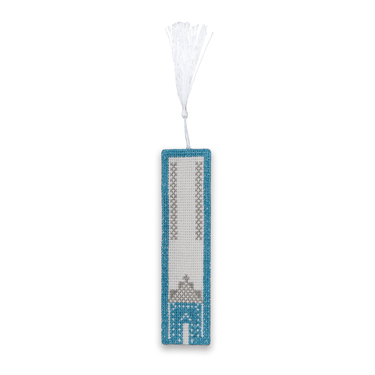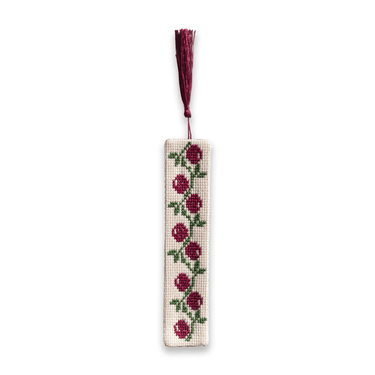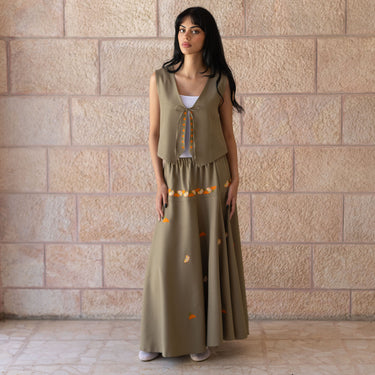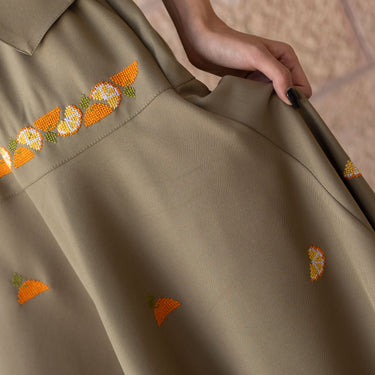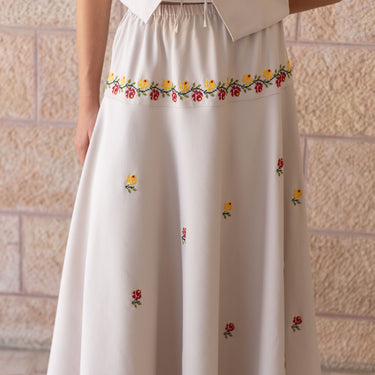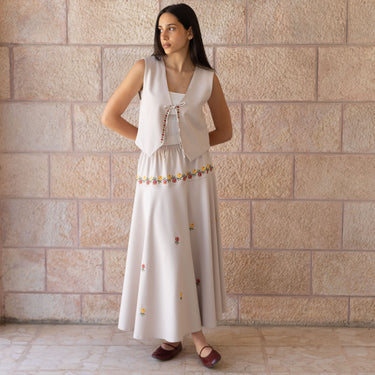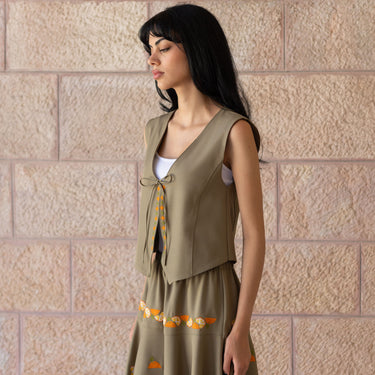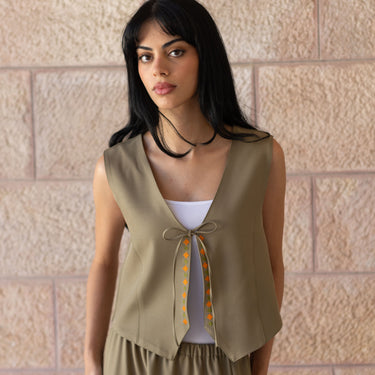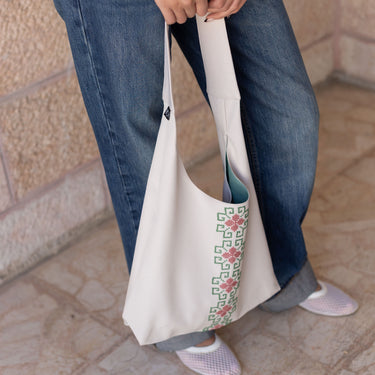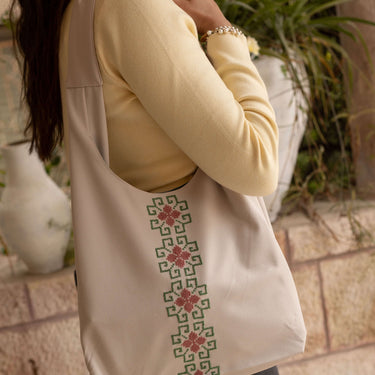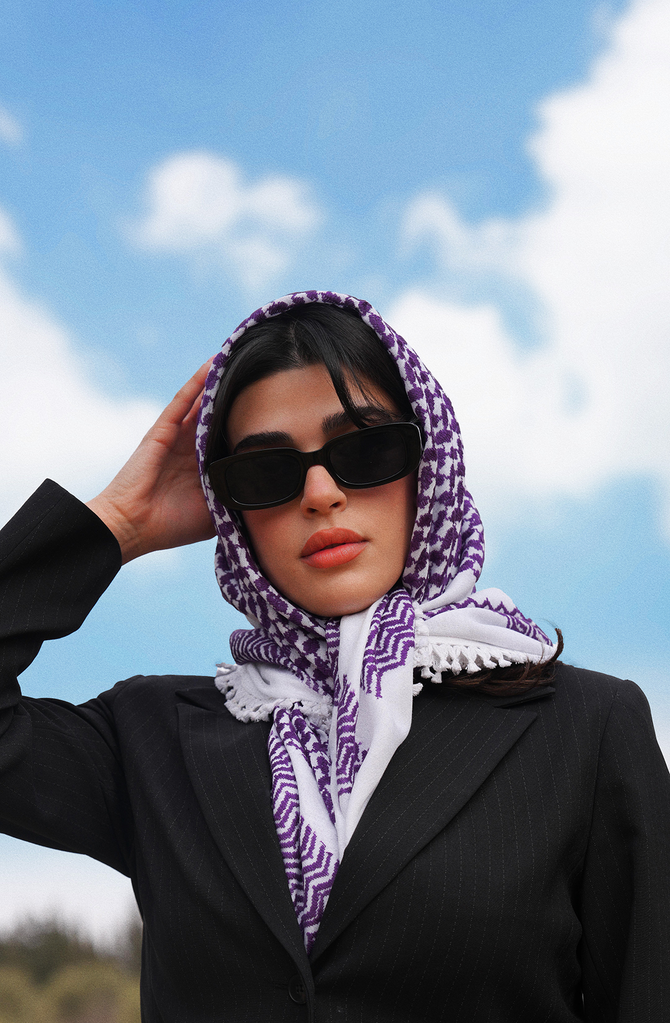


Tatreez is more than just an art form. It is a way of telling stories, preserving culture, and honoring heritage. This traditional Palestinian embroidery, known for its intricate tatreez patterns, has been passed down through generations. Today, tatreez continues to thrive, adding depth and beauty to modern items like palestinian bags, tatreez coasters, and even palestinian kaftans. But what do these patterns really mean?
In this blog, we will explore the tatreez patterns that define Palestinian embroidery, the colors used, and the symbolism behind each design. Understanding the patterns helps us connect more deeply to the cultural history they represent, especially when they are incorporated into modern-day accessories and home décor.
What Are Tatreez Patterns?

Tatreez patterns are traditional Palestinian motifs used in embroidery. They often feature geometric shapes, floral designs, and elements from nature, but they go beyond aesthetics. Each design tells a story—whether it’s about where someone is from, what they’ve experienced, or the community to which they belong. The design and style of each pattern can also reflect the local region, with distinct patterns specific to different villages.
Tatreez has long been a way for Palestinian women to pass down knowledge and preserve stories. In many cases, the act of stitching was an important form of resistance, particularly when political unrest made traditional documentation difficult.
The Symbolism Behind Tatreez Patterns

Geometric Shapes and Spiritual Meaning
Some of the most recognizable tatreez patterns are geometric. These shapes, such as diamonds, squares, and triangles, have symbolic meaning. For example, the diamond shape often represents the "eyes of the house," a motif symbolizing family unity and protection.
Other geometric patterns, such as the star pattern, are associated with spiritual symbolism. They represent guidance, hope, and the connection between the physical and spiritual worlds. Many patterns also mimic the natural world, like plant motifs or shapes reflecting olive branches, flowers, or trees.
Nature-Inspired Patterns: Olive Trees, Stars, and Flowers
The tatreez patterns inspired by nature are particularly significant in Palestinian culture. Olive trees, in particular, are a symbol of resilience. As one of the oldest trees in the world, the olive tree represents not only life and sustainability but also the Palestinian people’s deep connection to the land.
Other common motifs in palestinian embroidery are flowers and plants that signify beauty, growth, and hope. These elements are often woven into the fabric of tatreez patterns as a reminder of the people’s connection to the land and their enduring spirit.
The Colors of Tatreez: More Than Just Aesthetics

In palestinian embroidery, color plays an essential role in the tatreez patterns. Each color carries its own significance, making it much more than a decorative choice. The colors used in Tatreez are often tied to emotions, occasions, and regional identity.
Red and Black: Strength and Tradition
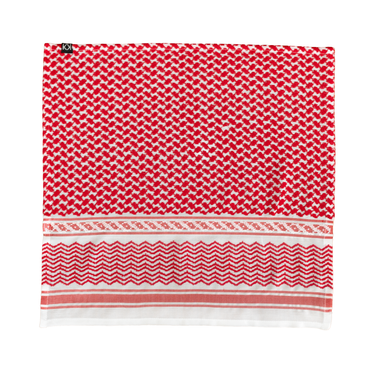
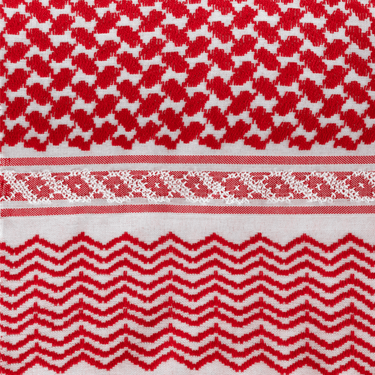
Red is one of the most common colors in tatreez patterns. It often symbolizes strength, passion, and the vitality of life. Red was also a color associated with the palestinian kaftan, a traditional garment. Combined with black, red creates a bold contrast that draws attention to the pattern and makes it stand out.
Green and Yellow: Nature and Prosperity
Green is another dominant color in tatreez. It represents fertility, growth, and nature, especially in connection with the olive tree and the Palestinian landscape. Yellow, often paired with green, symbolizes hope, prosperity, and joy.
These colors remind the wearer of the importance of the land and its role in Palestinian culture. They speak to the abundance that the earth provides, as well as the resilience of the people who depend on it.
Tatreez in Modern Items: From Palestinian Bags to Coasters
One of the reasons tatreez patterns remain so relevant today is that they have evolved beyond traditional clothing. Modern palestinian bags, tatreez coasters, and even home décor are now common places for this embroidery.
Tatreez coasters bring traditional Palestinian design into everyday spaces. Their small size makes them a subtle yet meaningful addition to any home. Similarly, palestinian bags that feature tatreez offer a way to carry a piece of heritage wherever you go. The act of using these items serves as both a functional need and a cultural statement.
Whether you are looking to add a touch of culture to your home or show solidarity through fashion, tatreez patterns remain a beautiful and impactful choice.
Why Tatreez Remains a Vital Part of Palestinian Heritage
Tatreez is more than just a craft. It is a living art form that ties the present to the past. By wearing or using tatreez-embroidered items like palestinian bags or tatreez coasters, people continue to carry forward the history and traditions of Palestinian culture. The palestinian embroidery that adorns modern-day items reminds us of the strength, resilience, and unity of the Palestinian people.
Frequently Asked Questions
What is Tatreez?
Tatreez is traditional Palestinian embroidery known for its symbolic patterns and rich cultural significance. The art form is passed down through generations, preserving stories, memories, and community ties.
What do tatreez patterns represent?
Tatreez patterns represent a variety of things, from nature to spiritual and family connections. They can symbolize protection, hope, resilience, and regional identity.
What is the significance of the olive tree in tatreez?
The olive tree is a symbol of life, resilience, and the deep connection Palestinians have with their land. It often appears in tatreez patterns as a reminder of strength and continuity.
Why do people wear or use tatreez in modern times?
Tatreez is not only a cultural symbol but also a way to preserve Palestinian heritage. Modern tatreez-embroidered items like palestinian bags and tatreez coasters allow people to carry their heritage with them in a meaningful and everyday way.
Can I find tatreez in modern fashion?
Yes, tatreez patterns are incorporated into many modern items, including palestinian kaftans, bags, accessories, and home décor. These modern pieces keep the tradition alive while adapting it for contemporary life.