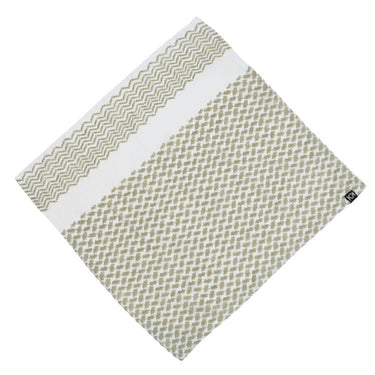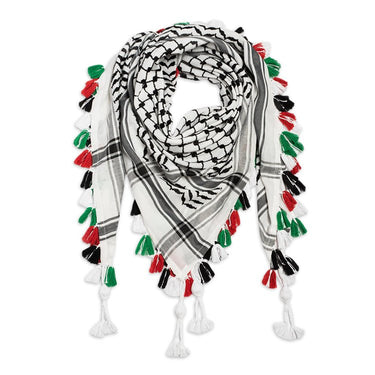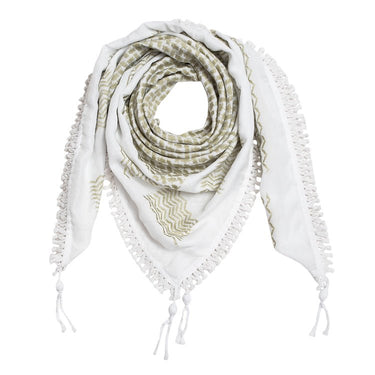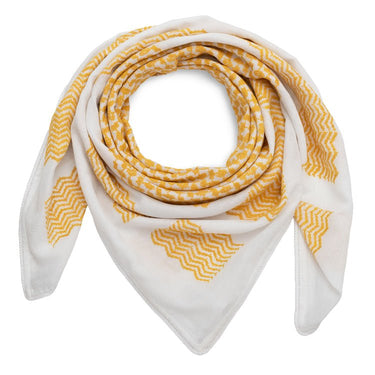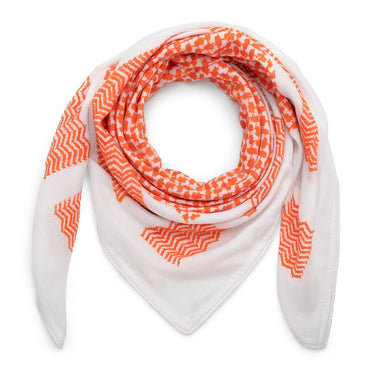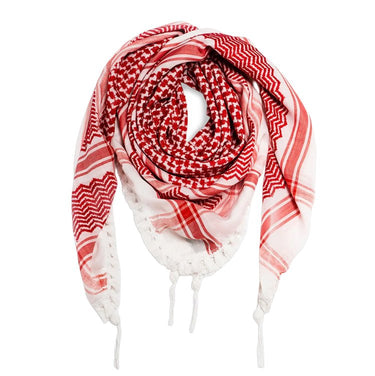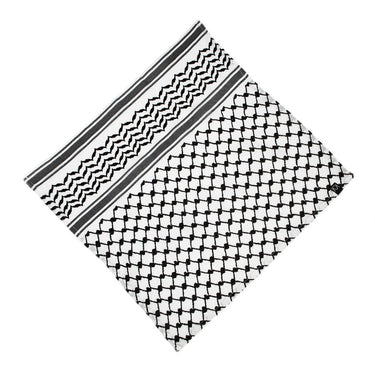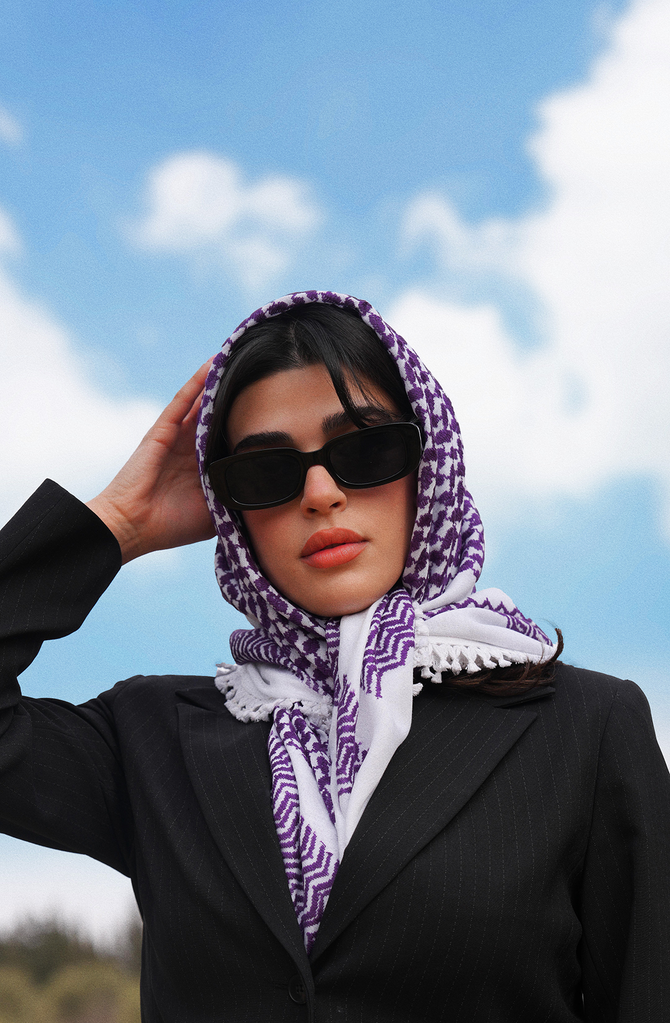


The keffiyeh is more than a fashion accessory. For many people, it represents identity, resilience, and cultural pride. In recent years, however, the keffiyeh has also appeared in global fashion, streetwear, and social media. Because of this visibility, an important question often arises: Is it respectful to wear a keffiyeh?
The answer depends on awareness, intention, and understanding.
Understanding the Cultural Meaning of the Keffiyeh

The Palestinian keffiyeh has deep historical roots. Traditionally worn by farmers and workers for protection against sun and dust, it later became a powerful symbol of unity and resistance. Over time, it grew into a widely recognized emblem of Palestinian identity.
Because of this history, the keffiyeh is not just fabric. It carries political and emotional meaning for many communities. Therefore, wearing it without understanding its background can feel insensitive to some.
However, wearing it with knowledge and respect can be a meaningful gesture of solidarity.
When Wearing a Keffiyeh Shows Respect
Wearing a keffiyeh respectfully begins with education. If you understand its history and cultural importance, your choice becomes intentional rather than superficial.
For example, many people wear the keffiyeh to:
- Show solidarity with Palestinian communities
- Support cultural heritage
- Raise awareness through peaceful expression
In these contexts, the keffiyeh becomes a symbol of support rather than appropriation.
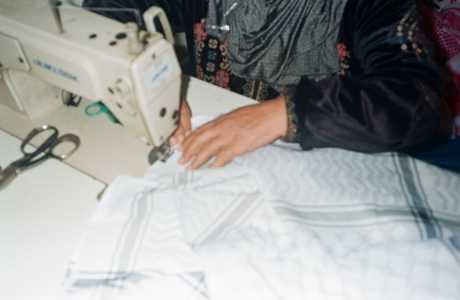
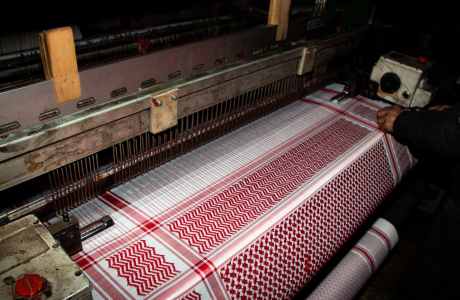
Moreover, choosing an authentic, woven keffiyeh instead of a mass-produced imitation helps preserve traditional craftsmanship. Supporting ethical production respects, the cultural origins of the garment.
When It Can Be Seen as Disrespectful
At the same time, context matters. Wearing the keffiyeh purely as a trend, without acknowledging its meaning, may come across as insensitive.
For instance:
- Using it as a costume piece
- Wearing it in ways that mock its origins
- Profiting from it without crediting its cultural background
These situations remove the story behind the scarf. As a result, the garment becomes disconnected from its heritage.
Understanding this balance is essential.
The Keffiyeh in Modern Fashion

Today, the keffiyeh and shemagh appear in fashion collections worldwide. Designers reinterpret patterns, and influencers style the scarf in new ways. Because fashion evolves, cultural garments often enter global markets.
However, modern fashion does not erase meaning. Instead, it adds another layer to the conversation. When worn thoughtfully, the keffiyeh can bridge cultures rather than divide them.
At KUVRD, the focus remains on honoring tradition while offering quality craftsmanship. Fashion and respect do not have to conflict.
Solidarity vs. Appropriation: What’s the Difference?
The key difference lies in intention and action.
Solidarity means:
- Learning the history
- Acknowledging the cultural roots
- Supporting authentic makers
- Wearing it with awareness
Appropriation happens when:
- Cultural meaning is ignored
- The garment is treated as disposable trendwear
- Its symbolism is removed for profit or aesthetics
Therefore, wearing a keffiyeh respectfully means understanding the story woven into it.
How to Wear a Keffiyeh Respectfully
If you choose to wear a keffiyeh, consider these simple guidelines:
- Learn about its origins and symbolism
- Avoid altering or misrepresenting its meaning
- Support authentic brands and artisans
- Wear it with cultural awareness
Even small actions, such as explaining its significance when asked, can help educate others.
Frequently Asked Questions
Is it okay for non-Palestinians to wear a keffiyeh?
Yes, it can be appropriate when worn with respect and understanding. Awareness of its cultural meaning is essential.
What does the Palestinian keffiyeh symbolize today?
It symbolizes identity, resilience, and solidarity with Palestinian heritage.
Is the keffiyeh only political?
While it carries political meaning for many, it also represents culture, tradition, and family history.
What is the difference between a keffiyeh and shemagh?
The terms are often used interchangeably. Fabric weight and regional naming create slight differences, but both share common roots.
How can I support authentic keffiyeh production?
Choose woven scarves from brands that respect cultural heritage and ethical craftsmanship.